
Reviews and opinions of popular yoga mats
Benefits
- High comfort of use.
- Non-slip surface.
- Appropriate dimensions.
- It provides freedom of movement.
- It cushions the joints and relieves pressure on the knees.
- Guarantees grip and safety during practice.
- Durable and waterproof material.
- Durable and tear-resistant.
- Easy to clean.
- Lightweight and convenient to transport.
- Aesthetic design.
Disadvantages
- Available only in selected stores.
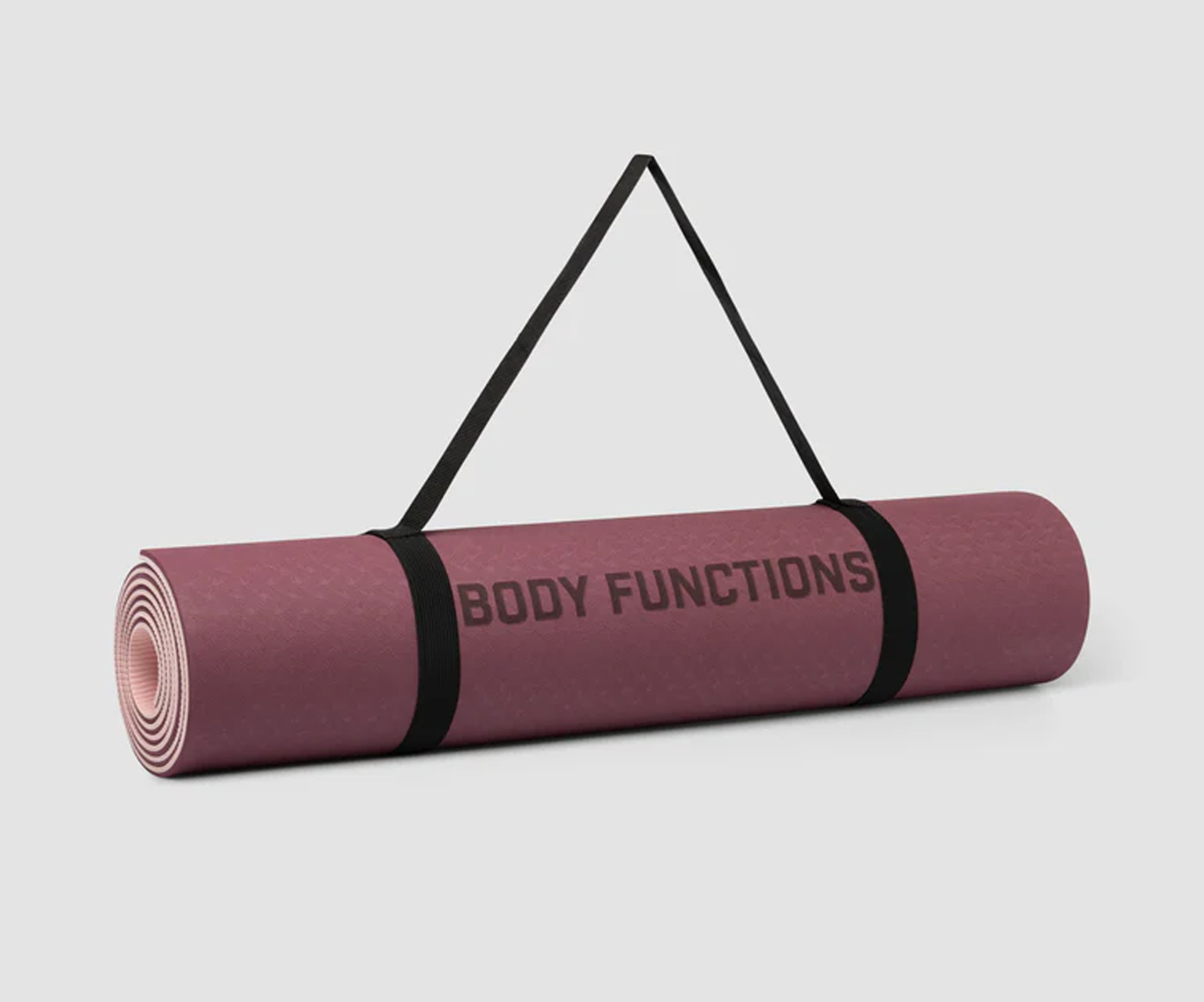
Yoga mat by Body Functions is an excellent choice for those looking for a combination of comfort, durability and practicality. Its appropriate dimensions (183 × 61 cm) ensure high comfort during the performance of asanas - both in lying and standing positions. In turn, the thickness of 6 mm effectively cushions the joints and relieves pressure on the knees during longer sequences. The Body Functions mat guarantees good grip and stability even when practicing more dynamic forms of yoga such as Power Yoga or Ashtanga Vinyasa Yoga. The non-slip surface prevents hands and feet from slipping, allowing you to fully focus on technique and breathing. The mat is made of durable and tear-resistant TPE material, which is additionally waterproof. This makes it extremely easy to keep the accessory clean (just wipe it with a damp cloth). The light weight and the included practical strap make it easy to carry the mat, which will be especially appreciated by those who practice yoga outside the home. Body Functions yoga mat maintains a pristine and aesthetic appearance even with intensive use. It is an ideal choice for providing a reliable and safe surface regardless of the place and type of practice.
Benefits
- Made of natural materials.
- Appropriate dimensions.
- It provides freedom of movement.
- It guarantees good cushioning and stable support.
- Antibacterial and non-slip surface.
- Durable and wear-resistant.
- A system of lines to facilitate proper body alignment.
- It comes with a bag and a cotton ribbon.
Disadvantages
- Relatively high weight (3.75 kg).
- It can be cumbersome to transport.
- Cork requires more precise cleaning.
- Very high price.
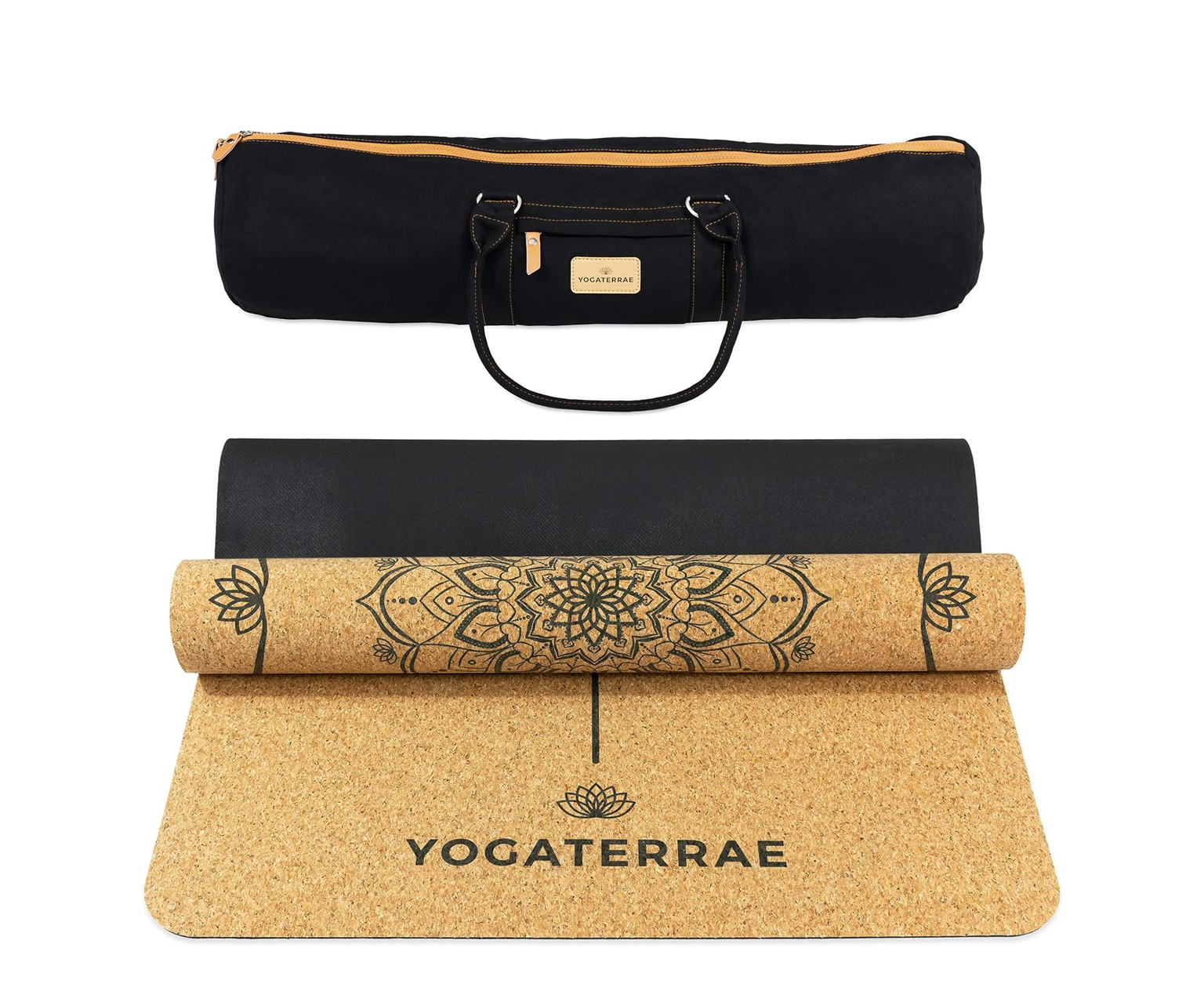
The cork mat by French brand Yogaterrae is designed specifically for practicing yoga. It is made of natural cork and rubber, combining ecology, comfort and durability. The cork surface is antibacterial and non-slip. The natural rubber layer, on the other hand, makes the mat resistant to abrasion and provides grip to the floor, even on smooth surfaces such as parquet or tile. In addition, the traced "BodyLine" line system facilitates symmetrical body alignment, which promotes precise work in asanas. The dimensions of the mat (183 × 66 cm) allow full freedom of movement, and the thickness (5 mm) guarantees adequate cushioning and stable support. The mat comes with a practical bag and a cotton band that can be used as a carrying strap, as well as an aid for stretching. Unfortunately, you have to pay a lot for the Yogaterrae set, which may discourage a sizable group of consumers.
Benefits
- Two-layer technology.
- Antibacterial microfiber and flexible rubber foam.
- Appropriate dimensions.
- It provides convenience during practice.
- It cushions the body and protects the joints.
- Designed and manufactured in Poland.
Disadvantages
- A light-colored microfiber surface can get dirty faster.
- No belt or carrying bag.
- Limited availability.
- High price.
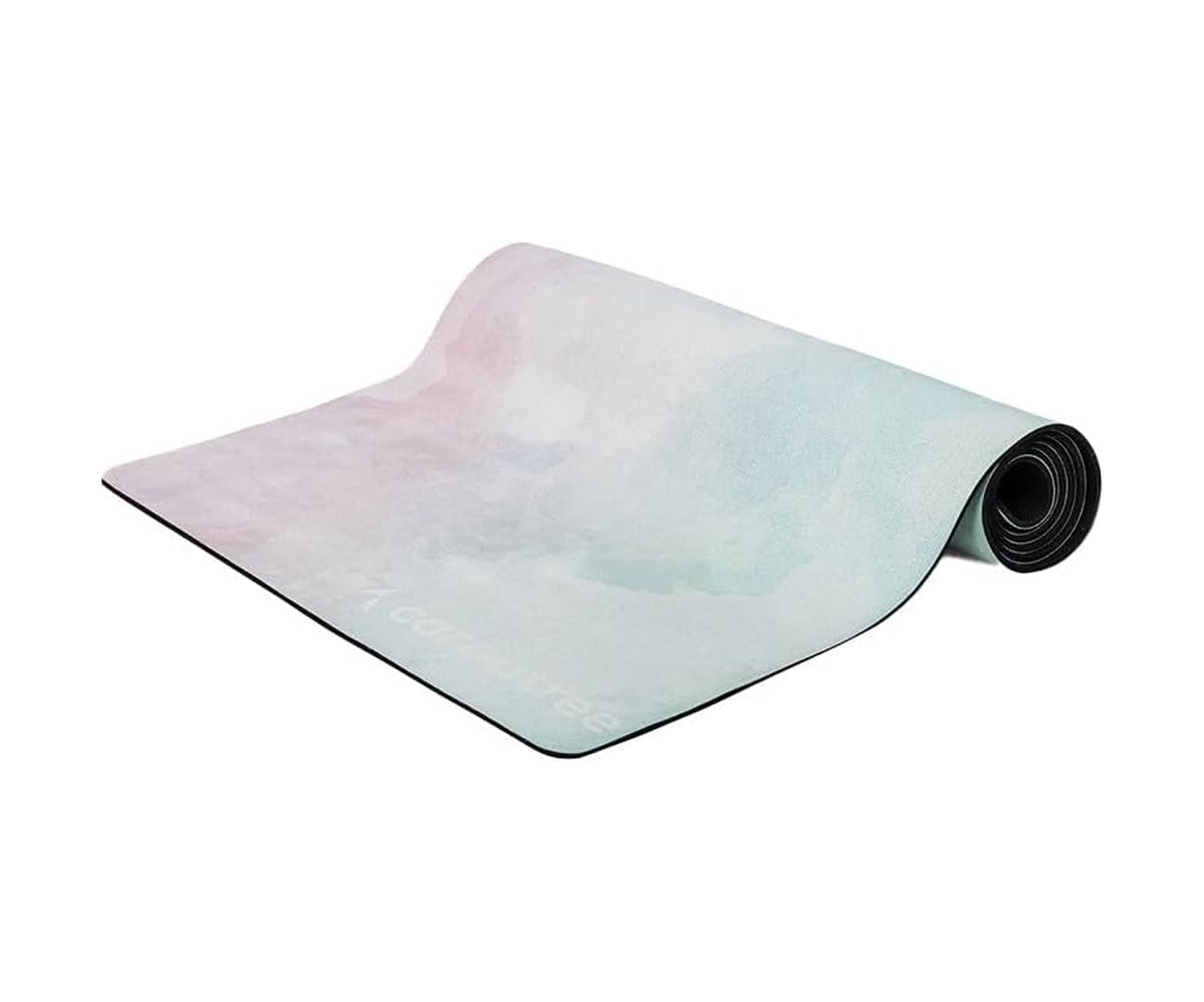
Cloud Pastel by Polish brand Carpatree is a two-layer yoga mat that provides comfort and functionality during any practice. The upper layer of the accessory is made of velvety to the touch and antibacterial microfiber that protects against the absorption of sweat and moisture. Thanks to this, you can successfully use the mat even in very dynamic asanas without the risk of slipping. The bottom part, on the other hand, is rubber foam, which is soft, flexible and perfectly adheres to the floor. Cloud Pastel has the right dimensions (60 × 180 cm; thickness: 0.5 cm) to allow freedom and comfort during practice, as well as to protect joints during longer, monotonous postures. The Carpatree mat will satisfy those who value not only functionality, but also striking design. However, the accessory is hard to find, and its price is not among the lowest.
Benefits
- Lightweight and soft TPE material.
- Non-slip surface.
- It provides stability during practice.
- Good cushioning and comfort.
- Easy to clean.
- A carrying strap is included.
Disadvantages
- The mat could be slightly longer.
- The gray color may not suit everyone.
- Initially, it may emit a slight chemical odor.
- Over time, it may deform slightly.
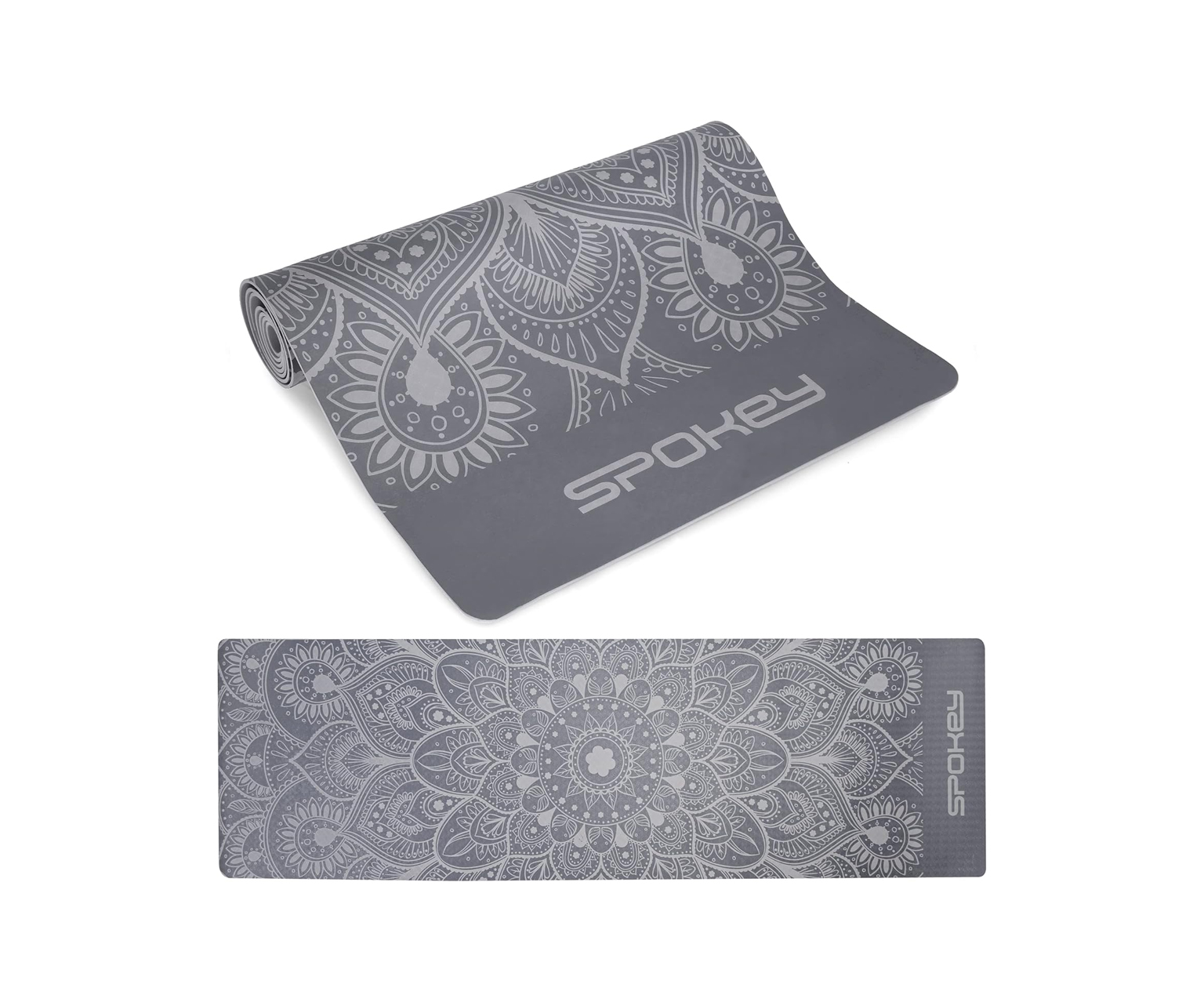
The Spokey Mandala yoga mat was designed for people looking for a combination of comfort and practical solutions at an affordable price. Its dimensions (173 × 61 cm) and thickness of 4 mm provide adequate cushioning and comfort when performing both calm and more demanding asanas. The Spokey mat is made of durable and flexible TPE plastic. It is lightweight, soft, pleasant to the touch and skin-friendly. The non-slip surface provides stability for the body, allowing you to move safely between poses and maintain your balance with confidence. The accessory is easy to clean, and the included carrying strap increases the comfort of the mat. An additional advantage of the Spokey mat is the aesthetic graphics depicting a mandala.
Benefits
- Made of eco-friendly materials.
- Antibacterial cork surface.
- It provides good traction.
- Lightweight and convenient to transport.
- With attached strap.
- Aesthetic design printed with non-toxic ink.
Disadvantages
- A thickness of 1.5 mm may not provide sufficient cushioning.
- Cork requires more careful and regular cleaning than synthetic materials.
- Less durability.
- Thin construction can wear out faster with intense, regular practice.
- Very high price.
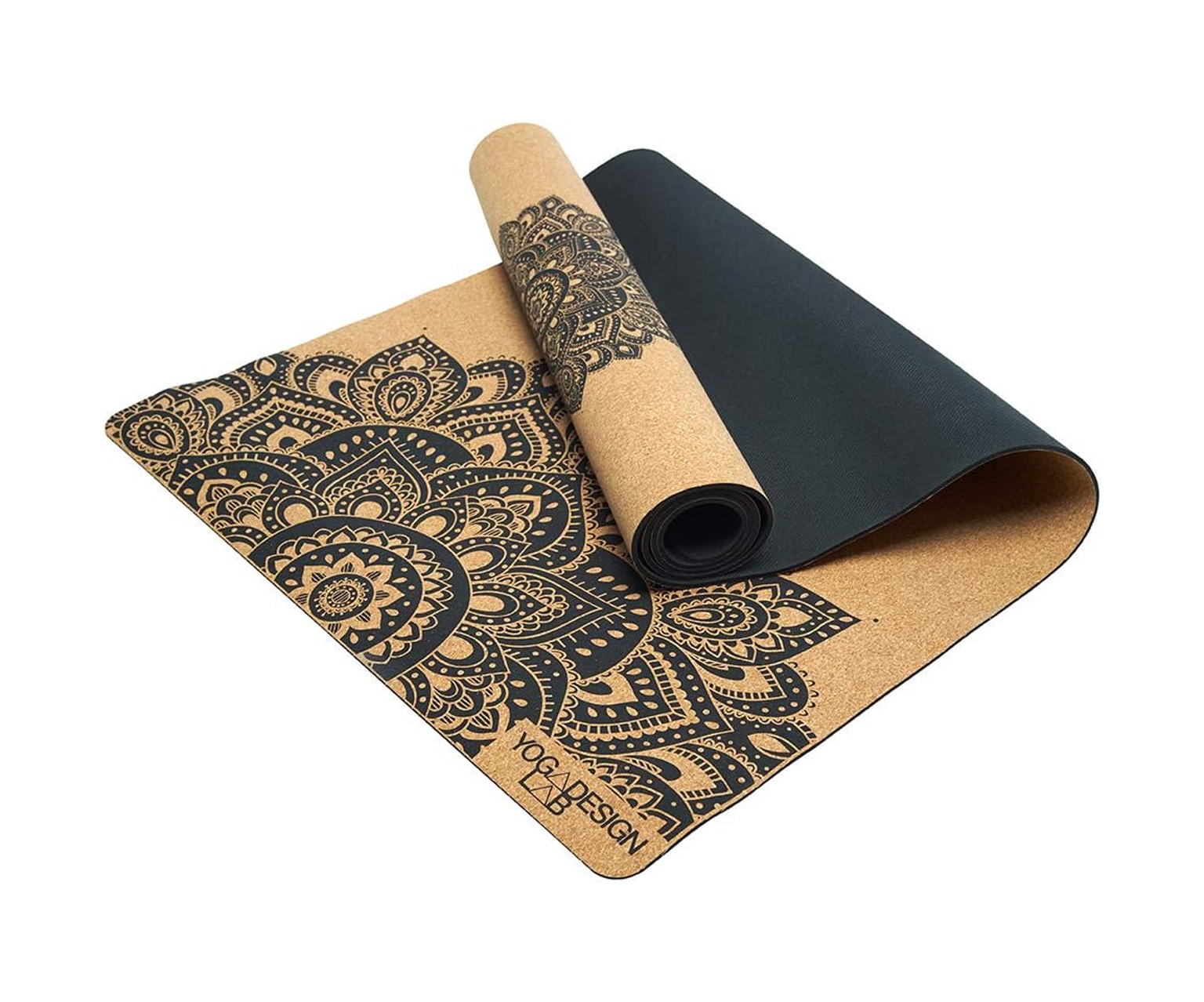
Mandala Black from the Yoga Design Lab brand is an eco-friendly mat made of natural cork and wood rubber. The top cork layer is antibacterial, resistant to moisture and odors. What's more, the mat provides a better grip with increased humidity, so there is no need to use a towel during intensive practice. The bottom layer, on the other hand, is made of natural wood rubber that guarantees stability, which translates into safety during dynamic sequences. The 1.5mm thickness makes the mat lightweight and comfortable to carry. The elegant mandala pattern, printed with non-toxic water-based ink, not only decorates the mat, but also helps maintain proper body alignment in asanas. The huge disadvantage of the Yoga Design Lab accessory is the very high price.
Yoga mats - comfort and support in the practice of asanas
A yoga mat is an essential accessory for any person practicing asanas, regardless of whether he or she prefers dynamic variations or calmer forms. A well-chosen mat provides not only comfort, but most importantly stability and safety during the performance of subsequent positions, which are often very demanding. The yoga mat protects the joints and spine, cushioning the pressure and insulating the body from the hard, cool ground. The non-slip surface helps to position the body correctly and smoothly combine asanas with breathing without unnecessary distractions. A yoga mat is a key component of any practice that enhances its comfort and quality, regardless of the level of experience.
How to choose the best yoga mat?
In creating our ranking of the best yoga mats, we considered the following criteria:
Is the mat comfortable to use?
Does it provide stability during various asanas?
Does the thickness of the mat guarantee adequate cushioning and joint protection?
Do the dimensions allow you to perform the postures freely?
Is the manufacturing material durable and safe for the skin?
Whether the surface of the mat is easy to clean and resistant to moisture absorption?
Whether the surface of the mat is easy to clean and resistant to moisture absorption? Is the mat lightweight and convenient to transport?
Does it have an aesthetically pleasing design?
Is the price commensurate with the quality?
What materials are yoga mats made of?
Yoga mats are most often made of the following materials:
TPE (Thermoplastic Elastomer) - The most commonly used material in yoga mats. It combines flexibility with high strength, making the mat lightweight, resilient and durable. It cushions joints well and does not absorb sweat or moisture, making it easy to maintain hygiene. TPE is skin-friendly and therefore considered the most versatile choice.
Natural cork - Eco-friendly, natural raw material with antibacterial properties. It is non-allergenic and does not absorb perspiration, and the slightly rough surface guarantees a very good grip even in increased humidity. Cork mats have an elegant, natural look, but require more careful care and are usually more expensive.
PVC (Polyvinyl Chloride) - A classic, widely used material with high resistance to abrasion and heavy use. PVC mats are often less expensive, making them a popular choice for those beginning to practice yoga. Some models have an additional coating for easy cleaning. However, it is worth making sure that the product is free of phthalates and other harmful additives.
NBR (Nitrile Butadiene Rubber) - Soft and extremely resilient material, excellent shock absorption. Great for yoga practice when joint protection is a priority - such as prolonged standing in kneeling asanas or styles requiring frequent transitions to lying down positions. It is resistant to deformation and easy to clean, although it is sometimes heavier than TPE.
Natural rubber - 100% natural and environmentally friendly, it offers excellent grip and very good cushioning. It is a material valued by advanced yoga practitioners because it is extremely durable and flexible. The downside may be its heavier weight and the need for regular care to maintain its properties for longer.
Yoga mat - why is it worth it?
Above all, a yoga mat is a key component of a safe and mindful practice. The right accessory provides stability in asanas, protects the joints and spine, and cushions the body during transitions between positions - both in dynamic styles such as Vinyasa Flow or Ashtanga Vinyasa, and in calmer forms such as Hatha or Yin Yoga. The non-slip surface of the yoga mats allows you to fully focus on your breathing and precision body alignment, without worrying about slipping on the smooth surface.
The mat also insulates against cold and moisture, which increases the comfort of each session. At the same time, it makes it easy to maintain hygiene - it can be easily cleaned and taken with you to the studio, outdoors or on a trip. This makes it an indispensable support for both beginners to practice and experienced yogis.
What is the best yoga mat?
The best yoga mat should provide stability, adequate cushioning and durability. It is important that it has a non-slip surface, and the right size to protect the joints during prolonged asanas. A high-quality mat should be made of materials that are safe for the skin, resistant to deformation and easy to clean. It is also worth paying attention to the weight and convenience of transporting the mat.
How to use a yoga mat?
Using a yoga mat requires following a few simple but important rules that will increase the comfort of use and prolong its life. Before starting your practice, lay out your mat on a level, dry surface - this will ensure a stable surface as you go through your asanas. When practicing, try to be barefoot or in thin non-slip socks to avoid damaging the delicate surface and maintain maximum traction.
After finishing a session, wipe the mat with a damp cloth with a mild detergent or a special mat spray, which prevents the growth of bacteria and unpleasant odors. Proper storage is also important - preferably rolled up or in a hanging position, away from direct sunlight and moisture. Regular cleaning and proper care will keep the mat in good shape for longer, while taking care of the hygiene of daily practice.
What are the benefits of using yoga mats?
The most important benefits of using yoga mats include:
- Stabilization of the body.
- Protection of joints and spine.
- Isolation from hard or cold ground.
- Increase comfort and safety of practice.
- Maintain hygiene during practice.
- Facilitate concentration on breath and technique.
- Possibility to practice anywhere.